Living in Da Nang in 2026 — the honest expat guide
Everything you need to know about relocating to Vietnam's most liveable city. From visas and weather to building a social circle.
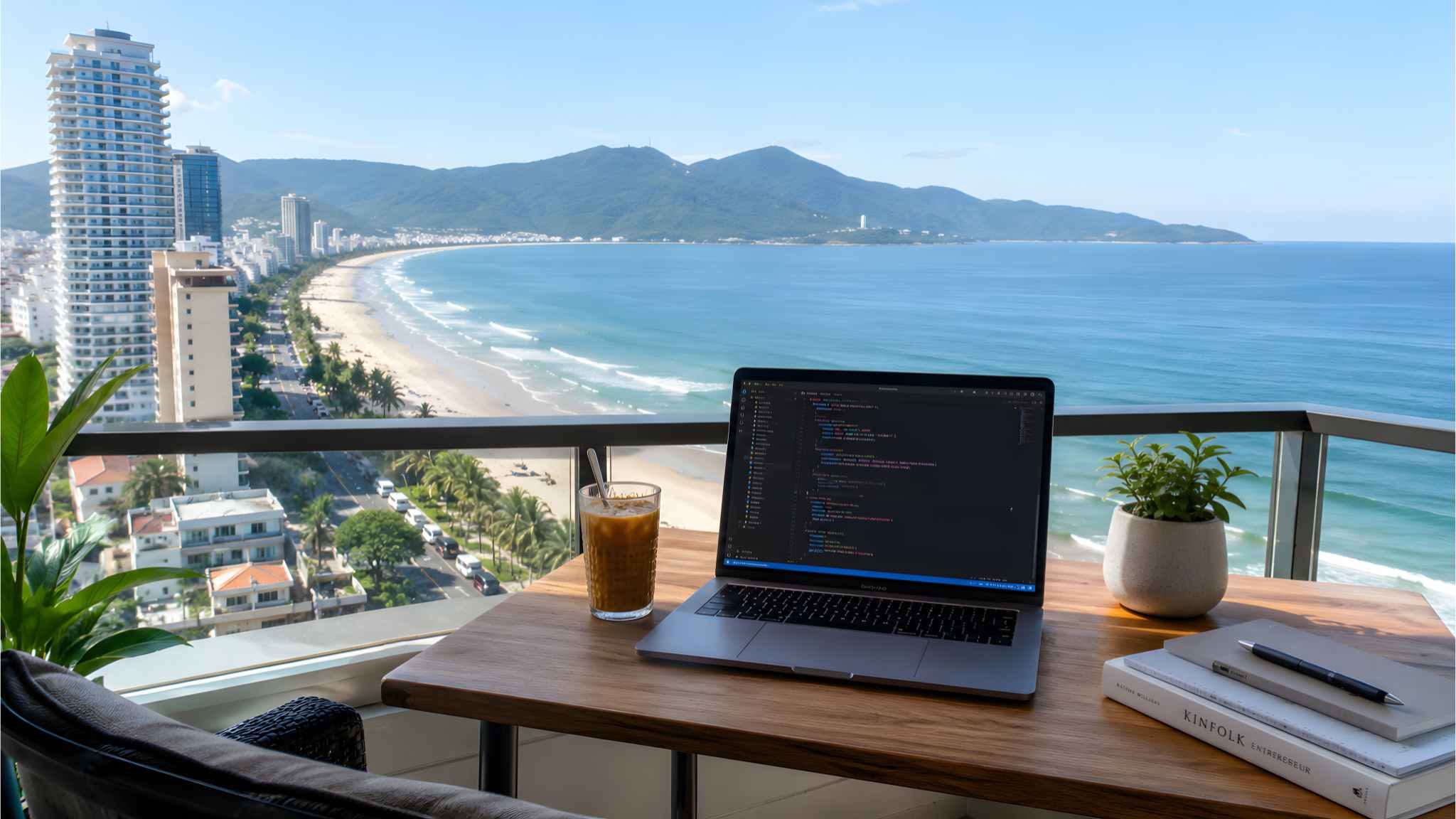
Da Nang has quietly transformed from a sleepy coastal stopover into the undisputed remote work capital of Southeast Asia. Nestled between the green slopes of the Son Tra Peninsula and the ancient streets of Hoi An, living in Da Nang offers a rare balance: city infrastructure, a sprawling tropical beach, and a genuine Vietnamese community, all for a fraction of Western costs.
But the glossy Instagram reels often skip the practicalities. In this honest expat guide, we break down what living in Da Nang is actually like in 2026.
Why Da Nang? The "Goldilocks" City
Expats frequently describe Da Nang as the "Goldilocks" city of Vietnam. Hanoi offers deep history but struggles with intense traffic and winter smog. Ho Chi Minh City provides endless cosmopolitan energy but lacks a nearby beach and green space. Da Nang sits right in the middle.
- The Beaches: My Khe Beach stretches for miles. It is clean, well-maintained, and features dedicated swimming zones.
- The Air: Thanks to ocean breezes and lower industrial density, Da Nang enjoys significantly better air quality than Vietnam's two mega-cities.
- The Vibe: It is decidedly more relaxed. Traffic flows relatively smoothly, honking is less aggressive, and the local population is famously welcoming to foreigners.
The Visa Reality in 2026
The single biggest hurdle for most digital nomads is the visa situation. Vietnam does not currently offer a dedicated "Digital Nomad Visa" akin to what you might find in Spain or Malaysia.
Most remote workers and short-term expats utilize the 90-Day Tourist E-Visa. It allows for single or multiple entries, making it perfect for a 1-to-3 month trial run. Once the 90 days are up, "visa runs" to the nearby Lao Bao border (Laos) are common, though frequent border runs are increasingly scrutinized by immigration.
Weather and the "Secret" Seasons
Da Nang does not have four seasons; it has two distinct moods:
- Dry and Hot (February to August): This is peak living. Clear blue skies, hot beach days, and vibrant sunsets. May through July can get intensely hot (35°C+), demanding air conditioning during peak afternoon hours.
- Rainy and Moody (September to January): The monsoons hit. October and November see torrential downpours and occasional flooding in lower areas like Hoi An and parts of An Thuong. It gets surprisingly chilly in December and January (dropping to 18°C), so pack a light jacket.
Building a Social Circle
The expat community here is transient but incredibly open. Because people are constantly arriving and leaving, it is easier to break into friend groups than in established European cities.
The An Thuong neighborhood (often called the "Expat Ghetto") is the central hub. Facebook groups (like "Da Nang Expats") remain the primary engine for socializing, buying used motorbikes, and finding events. From beach volleyball and padel tennis to deep tech meetups and breathwork classes, the community is highly active.
The Verdict
Living in Da Nang is highly rewarding if you manage expectations. It is not a developed Western metropolis—you will deal with language barriers, bureaucratic quirks, and the occasional power cut. But the tradeoff is a high-quality, low-stress coastal lifestyle that is increasingly hard to find anywhere else in the world.
Thinking about testing the waters? You shouldn't waste your first two weeks fighting with landlords and figuring out SIM cards. TryViet handles 1-3 month soft landings. We vet housing, arrange airport pickups, and provide dedicated local support so you can just arrive and start living.
Ready to make your move to Da Nang?
Skip the stress of finding an apartment, setting up your SIM, and figuring out local transport. We handle the groundwork so you can start living on day one.
View our relocation packages